
Top 25 Highest Paying Coaching Niches In 2026 (+ Niche Quiz)
I’ve spent the last decade helping coaches with their marketing. I’ve worked in all different niches, and I’ve seen their financials.
In this article, I’ll share the most profitable coaching niches of all time. I’ll give at least one example of a client or colleague in each niche who is making good money.
Before we dive in, take my free quiz to figure out the right niche for you:
🏅 Profitable Coaching Niches List
Each of the 25 coaching niches fall into one of 9 coaching specialties. These specialties are the big areas of life where people tend to be most receptive to coaching. Here they are, in rough order of how much you can charge (high to low):
Types of Coaching Niches:
Before we dive in, let’s talk about how to narrow your niche the right way.
How To Find Your Coaching Niche
I know it’s extremely counterintuitive to narrow your niche. It feels like you’ll get more clients if you stay broad. But here’s the deal:
Even if you can help clients with lots of different things, it's best to focus your marketing on solving just one problem per coaching offer. That way, you can make the offer as focused and compelling as possible. You don’t have to niche your entire brand or business. But you do have to give people something specific to buy.
Here’s how to find a lucrative coaching niche using what I call “The List Strategy:”
In this article, I’ve done some of the work for you by creating an initial list you can use as a jumping off point. As you look through the list, write down the ones where you've already gotten results or helped others. That will give you the credibility you need to get clients.
Once you’ve chosen the problem that you solve, you can narrow down even further by focusing in on a starving market (a group of people who really want to solve the problem) and offering them a unique solution.
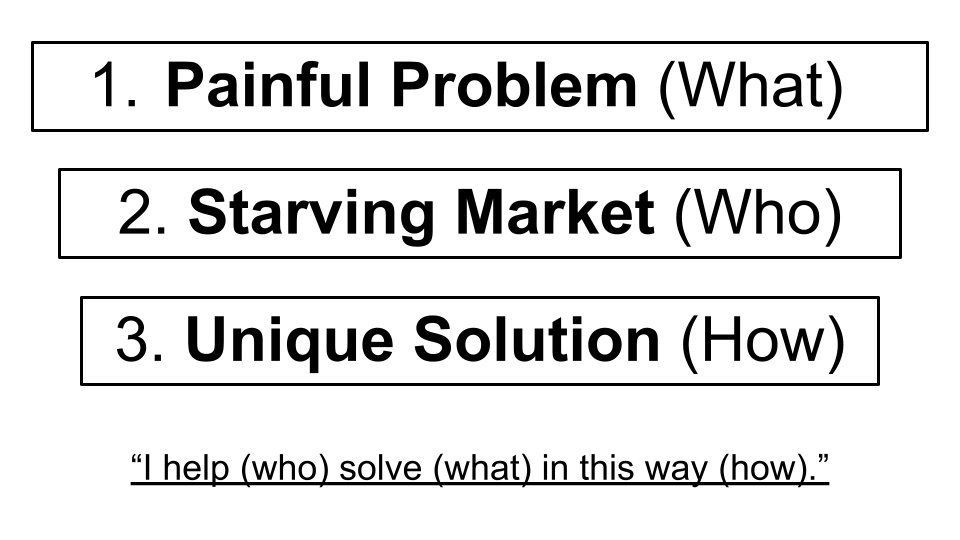
For example, I once launched a program that helped coaches get clients without using social media. It sold out in the first 48 hours in part because I niched it down.
📈 Business Coaching Niches
1. Get More Clients or Customers

If a business can’t generate a consistent flow of clients and customers, it can’t grow. That’s why this is one of the most in-demand business coaching niches out there. If you have a deep understanding of marketing, and you love the idea of helping other people get more leads, this may be the perfect niche for you.
In order to stand out in this crowded space, consider becoming known for one primary form of marketing (e.g. SEO, video, social media, advertising, podcasting, speaking, launches, etc.). Or focus on one specific type of business (e.g. SaaS companies, gyms, ecomm, etc.). For example, I’ve spent over a decade helping coaches get clients. This niche has served me very well over the years.
2. Scale Your Business

To get a business up and running, all you need is a product or service + people to sell it to. But as the business grows, things become more complex. Time becomes your primary constraint and just working harder isn’t an option. Entrepreneurs need to build systems, hire team members, change the way they deliver their product, and improve their leadership skills in order to make more money in less time.
By choosing this niche, you’ll also be targeting a smaller segment of the business coaching market. Most people who start a business never get to the point of scaling up. But the ones that do are often the best to work with, because they’ve proven that they can take action. They also tend to spend more money than beginners. My client Gemma Gilbert helps service providers scale up by building a group program.
3. Close More Sales
It’s one thing to generate interest in your products or services. But if you can’t convert that interest into actual sales, nothing else matters. That’s why sales coaching will always be in demand; it’s the lifeblood of every business. Instead of selling coaching, you end up selling money. If you can increase your client’s close rate by even a small amount, the coaching usually pays for itself.
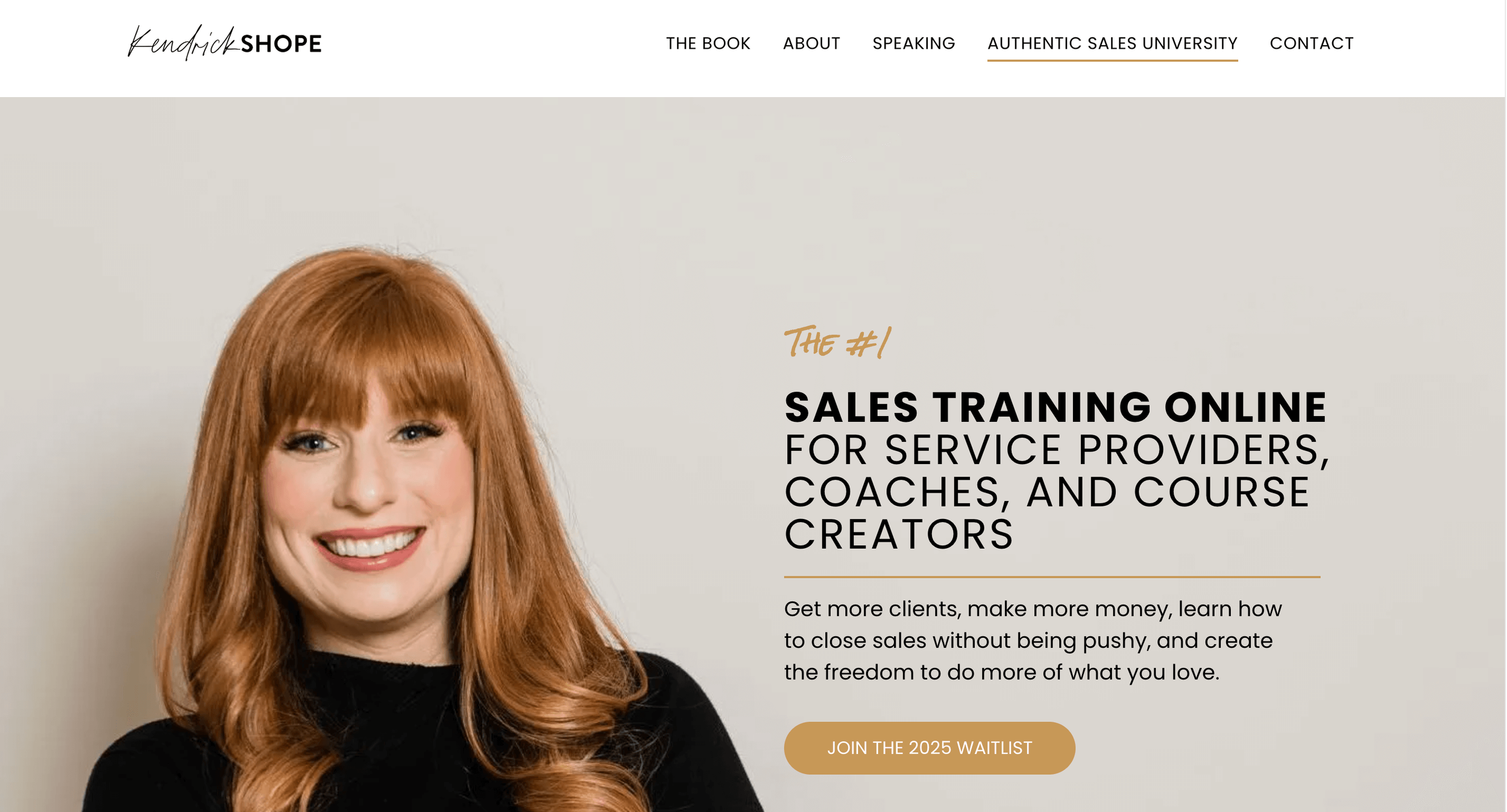
There are two main sub-niches within sales coaching. First, you can get hired by large and midsized companies to train and coach their salespeople. You can charge a lot for this because most companies have a budget for sales training. But the sales cycle tends to be longer since there are more hoops to jump through with larger companies. Alternatively, you can teach sales to small business owners. This can work, but you’ll often find that entrepreneurs also need help getting more leads (not just closing them) and you won’t be able to charge them as much as corporations. You’ll likely need to rely on group programs and courses like my colleague Kendrick Shope.
4. Start a Business
Lots of people want to become entrepreneurs: Susie hates her job, John got let go by his employer, and Laura wants to make money while spending time with their kids. If you have the experience to help these folks get started, there’s a ton of demand out there.
But be careful. This is one of the more competitive niches out there and it’s filled with charlatans. It can be hard to charge high prices to newbies who aren’t used to investing in their business. And not everyone is cut out to be an entrepreneur, so your success rate may be low. In general, it’s easier to help people who are already successful to become even more successful.
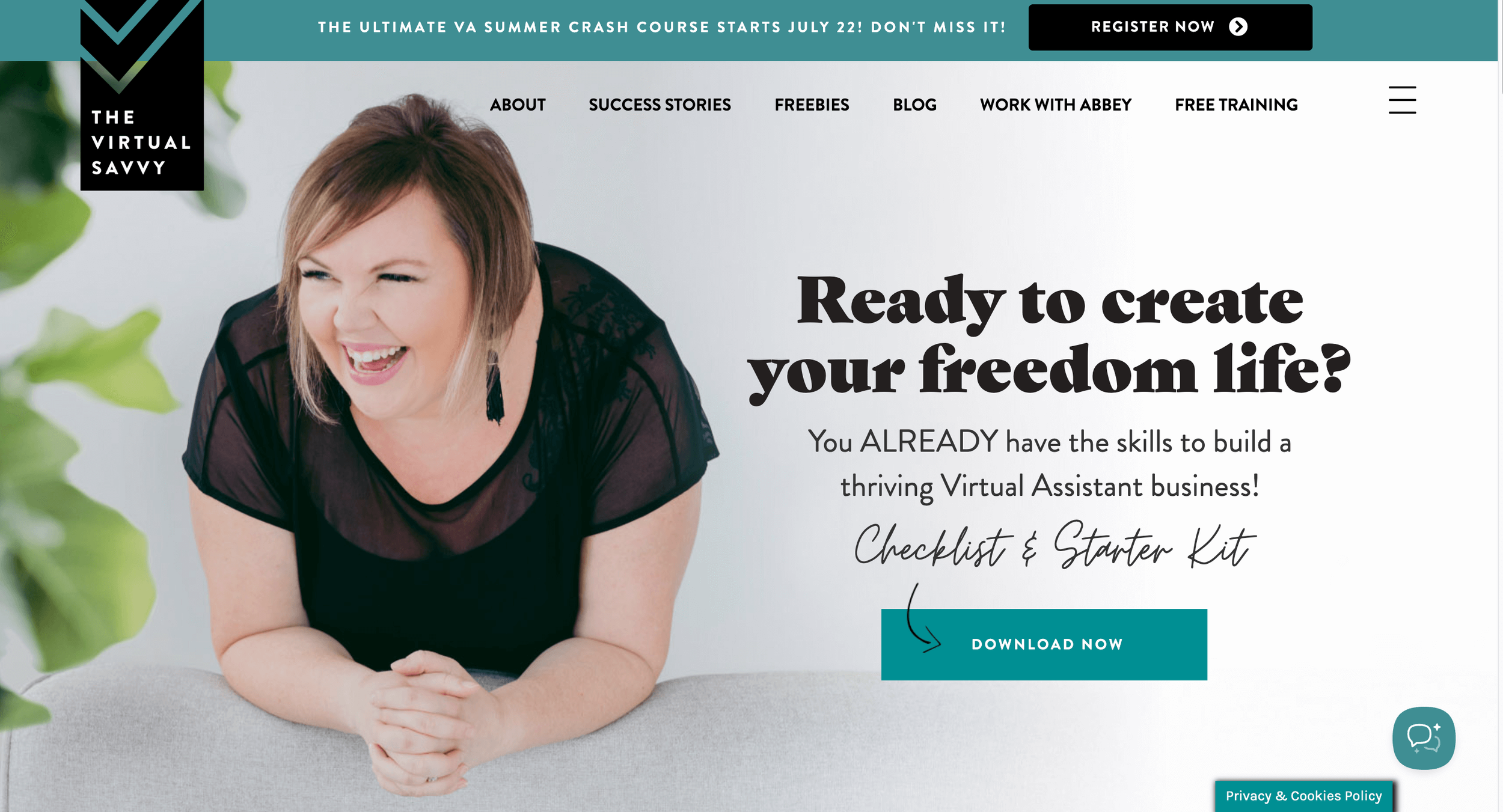
This niche works best if you can become known for helping people start a specific type of business. For example, The Virtual Savvy helps people become virtual assistants.
💼 Executive Coaching Niches
5. Build Leadership Skills

This is one of the most well established niches out there. Businesses know the value of investing in their leaders and they know how expensive it is when a new hire or promotion doesn’t work out. If you can help people successfully adapt to their new role and responsibilities, you can make a lot of money.
To stand out in this crowded niche, consider becoming known for one element of leadership (e.g. emotional intelligence, decision making, disruptive behavior, executive presence, etc.). Or you can hone in on a specific role or industry. For example, my client Aashi Arora helps leaders in healthcare navigate conflict.
6. Make Your Team More Effective
This niche is related to the niche above (building individual leadership skills) but focused on teamwork within an organization. It’s common to offer group coaching, operations consulting, or retreats in this niche so that everyone is communicating well and headed in the same direction.
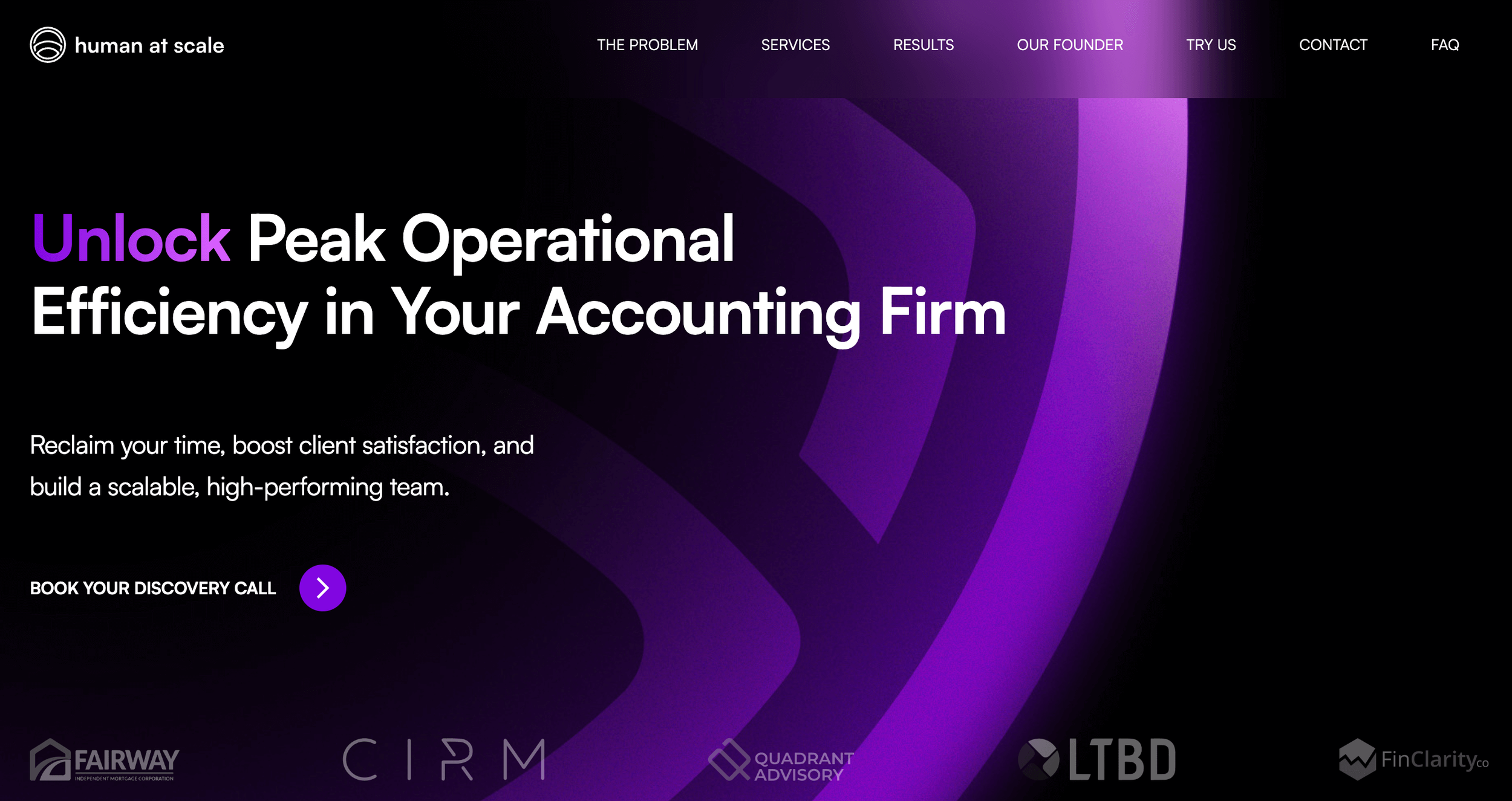
There are plenty of sub-niches within team coaching. For example, my past client Chase Damiano of Human at Scale focuses on accounting firm operations. Nice and specific.
🏆 Performance Coaching Niches
7. Perform Under Pressure
Coaches love helping people with their mindset. The problem is, most normal people don’t invest in mindset coaching. They’re looking to achieve a specific goal in their life, and they’re only interested in mindset to the extent that it helps them reach that goal. This is why I often recommend placing the mindset coaching you do inside of a more tangible niche. For example, speaking coaches can help with mindset while solving a specific problem.
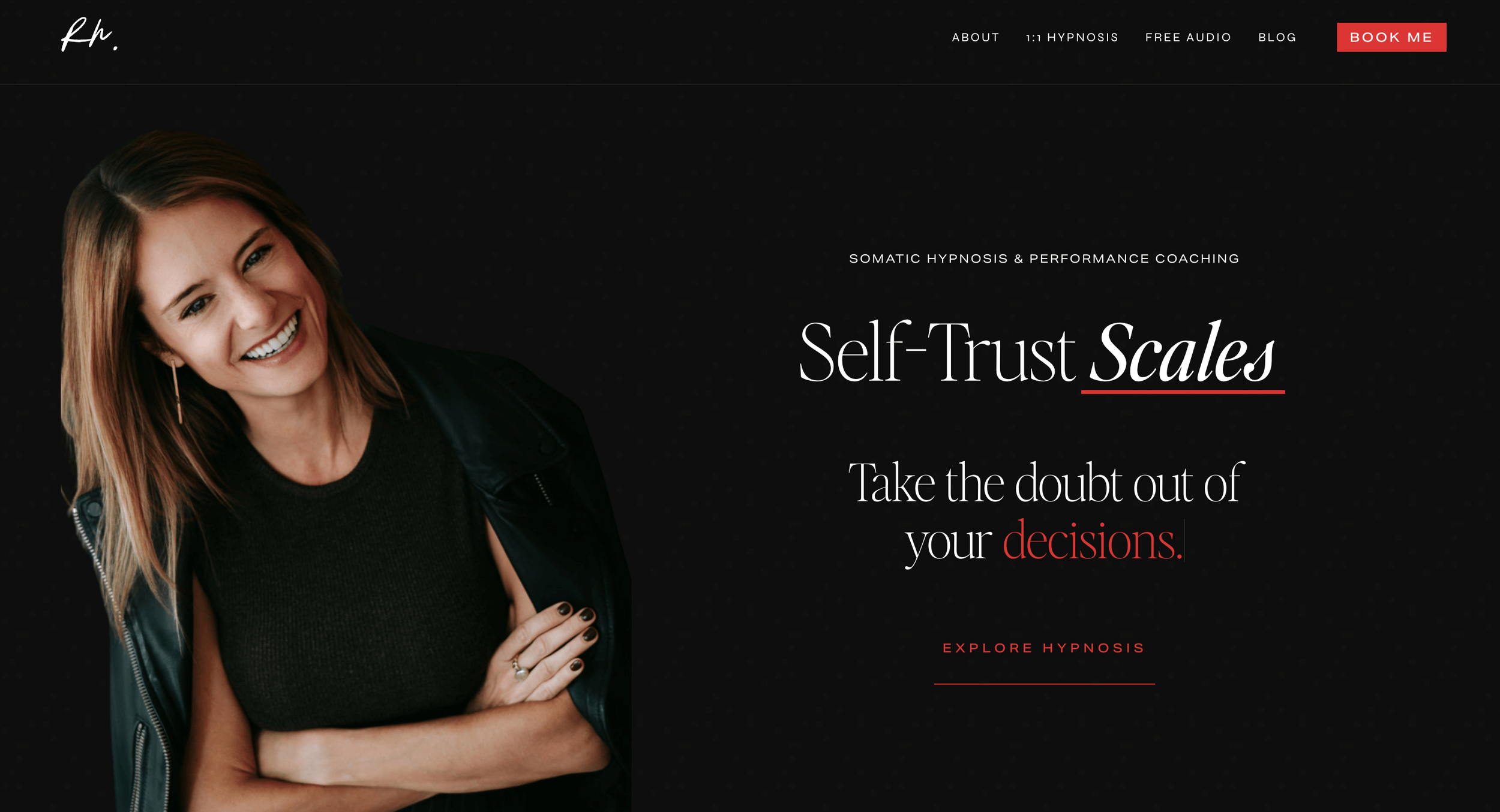
Some high-stakes professions benefit disproportionally from mindset coaching. For example, professional poker players, musicians, athletes, executives, and financial traders. These people are often willing to pay good money in order to perform when it counts, and they recognize the importance of mental skills. For example, my client Rachel Hamlin offers performance coaching to founders and leaders.
8. Increase Focus and Productivity
This niche focuses on productivity and typically targets business owners and leaders. If you have a talent for helping people structure their day, be more effective, and figure out what key activities to focus on, this can be a great niche. Just make sure you focus your messaging on the results that you help people achieve (more time with their kids, more money, etc.) and not the process of time management itself (which is a means to an end).
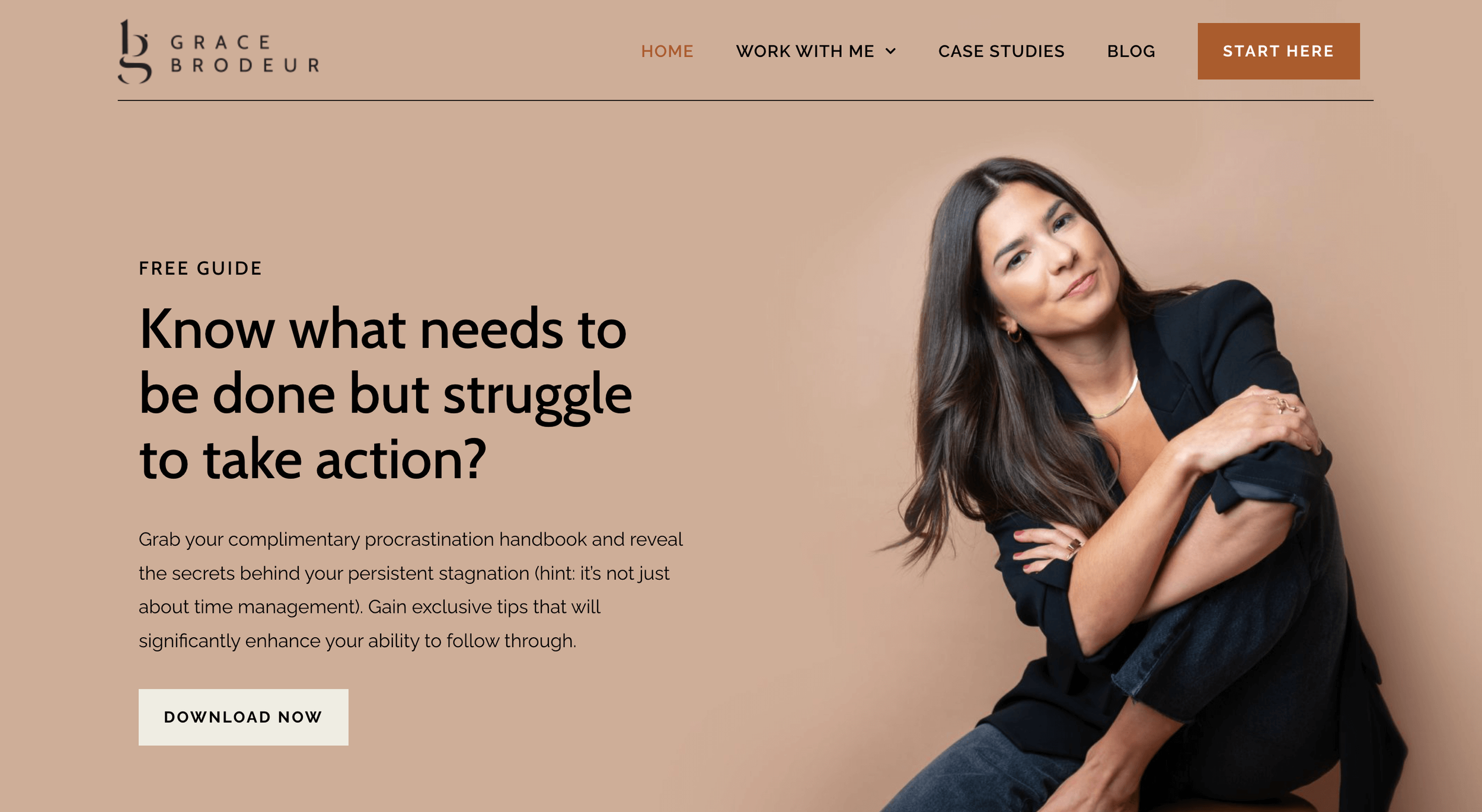
You can narrow this niche further by focusing on one specific element of productivity. For example, there’s a whole sub-niche of ADHD coaches. Find your unique angle and double down on it. My client Grace Brodeur focuses on helping entrepreneurs overcome procrastination through emotional management.
9. Manage Your Digital Life
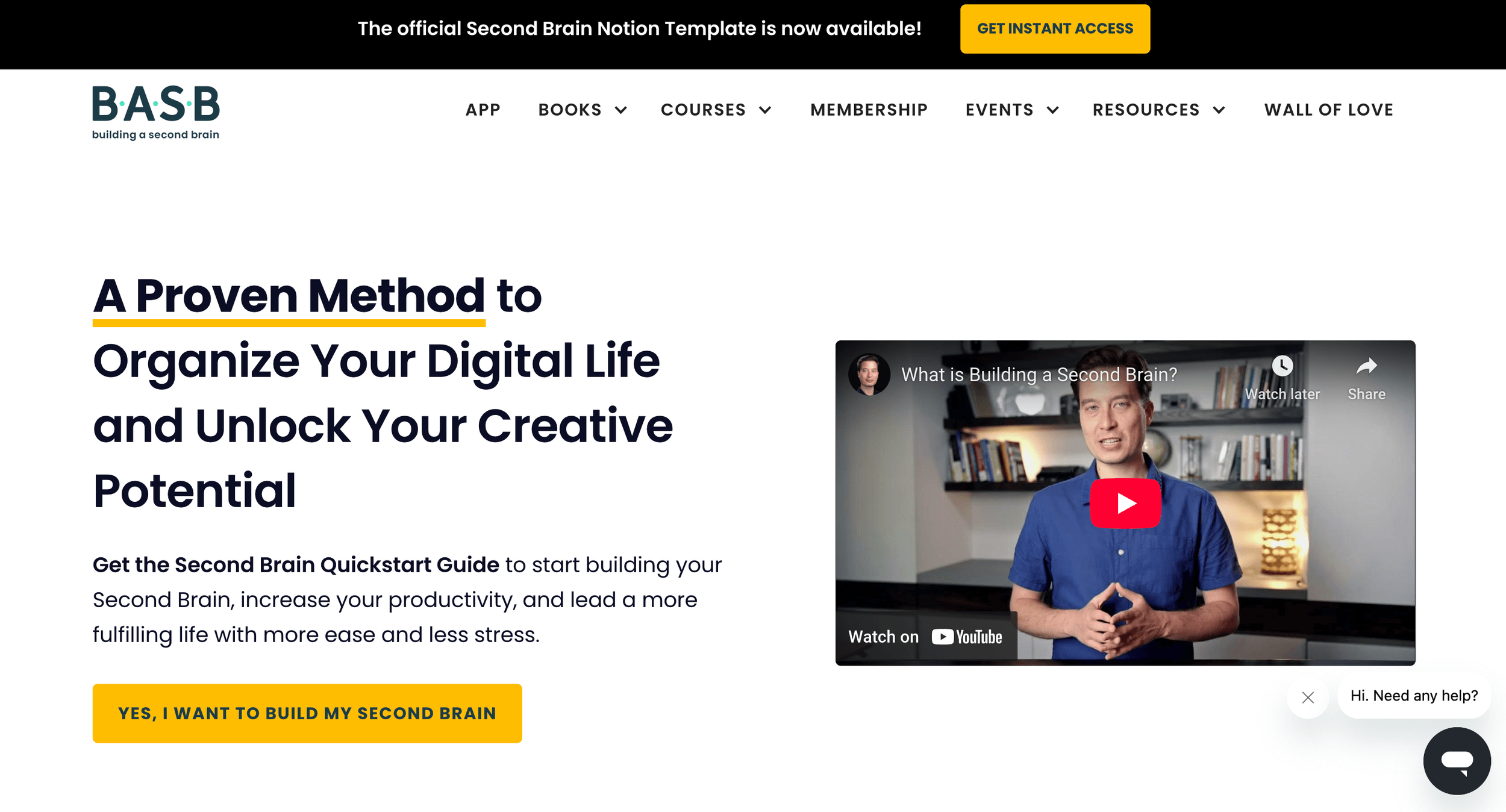
This is closely related to the niche above. I think we’ll continue to see an increased number of coaches helping people and companies to harness various technologies to become more effective and reduce overwhelm. A great example is Thiago Forte of Building A Second Brain.
In 2026, I think there’s a massive opportunity to help people integrate AI into their work life and their organizations. If you have expertise in AI, and you can help people use it to save time/money, you can turn that into a profitable coaching niche.
💸 Financial Coaching Niches
10. Upgrade Your Money Mindset

People who invest in this type of coaching are typically focused on earning more money. And they recognize that their relationship with money, including the stories they received growing up, are preventing that from happening.
Lots of spiritual coaches end up in this niche because it helps make what they do more tangible. Think manifestation and law of attraction. But you can take a more practical approach as well. For example, my colleague Denise DT runs a Money Bootcamp that helps entrepreneurs release their fears around money.
11. Create Financial Freedom

This niche can focus on everything from budgeting, saving, reducing debt, investing, and building wealth. Most people get overwhelmed when it comes to managing their finances. If you can combine financial expertise with coaching skills, you’ll have plenty of people eager to hire you. But here’s the rub…
People who are having financial trouble will often have trouble investing in high-end coaching. This can be overcome by targeting people who already earn a lot of money, and simply need help managing it more effectively. For example, my client Ryan Roi helps successful tattoo artists make, save, and invest more money. He also helps them with money mindset.
👩🏽💻 Career Coaching Niches
12. Figure Out What to Do for Work

Most people want work that’s meaningful to them, offers a good work-life balance, and pays well. They’re just not sure how to find it. If you love the idea of helping people make a career pivot, you’ll have plenty of potential clients ready to pay you.
If I were getting started in this niche, I’d focus in on a specific profession. For example, my client Heather Fork helps doctors figure out if they want to leave medicine. As a former physician, she has credibility with this group. It’s also a group of people who can afford to pay a lot for coaching (as opposed to new college grads, for example).
I think there’s a huge opportunity right now to niche down within career coaching and build a network that connects employers and employees within a given industry.
13. Land a Higher-Paying Job
The previous niche focused on helping people change their career. This niche focuses on accelerating an existing one. It provides a much clearer return on investment, since moving up the career ladder usually means earning more. If you choose this niche, you’ll be helping clients get hired at a new company, get promoted, improve their resume, become better leaders, or learn interviewing skills. One word of advice…
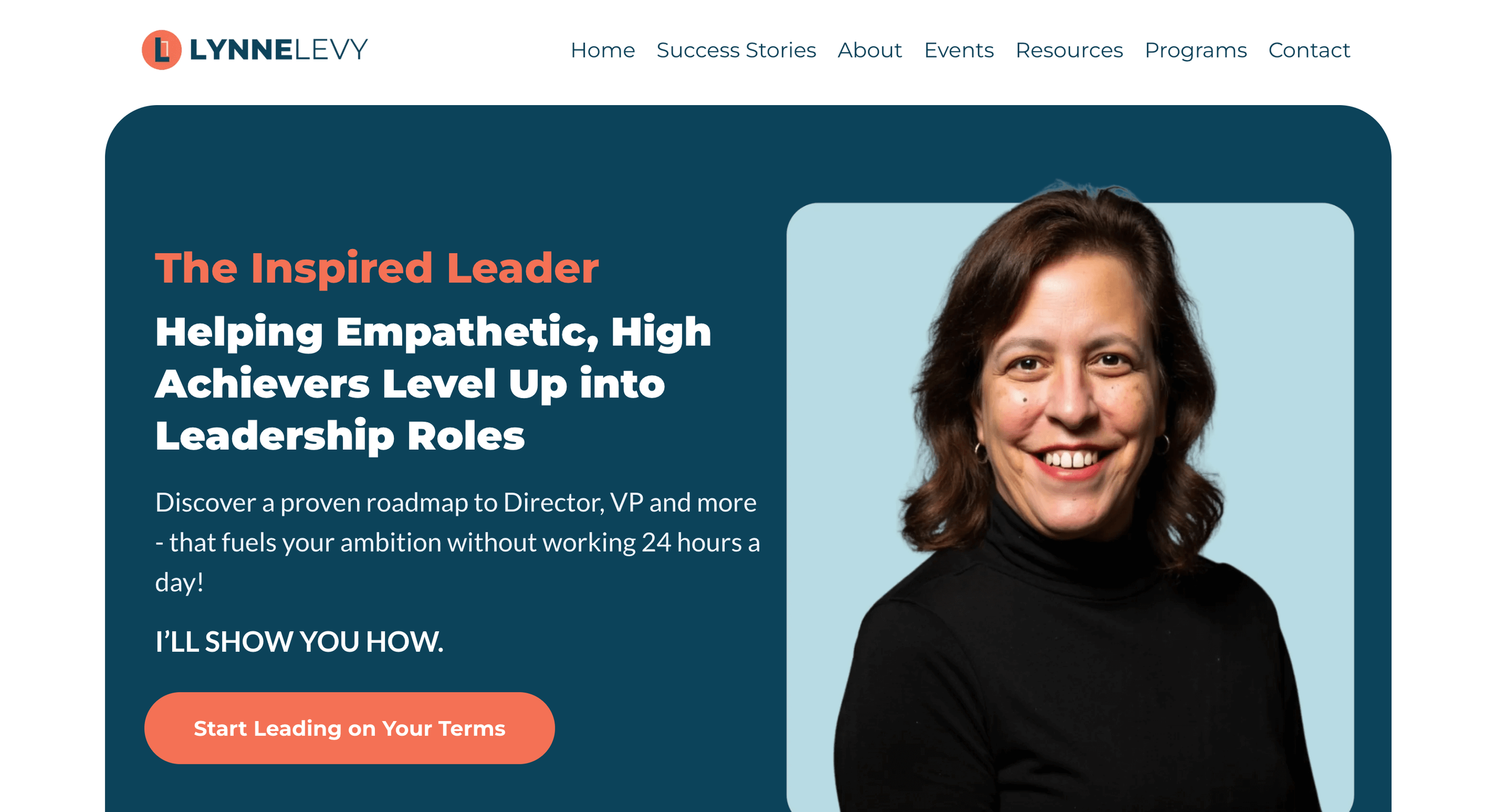
I wouldn’t recommend targeting people who are currently unemployed. They likely won’t be able to pay you. Instead, I’d focus on people who already have a high-paying job and want to expand into a leadership role. For example, my client Lynne Levy got her start by helping product managers land a promotion. Her focus on a specific role (that matches her background) made marketing much easier in the beginning.
14. Write a Book

I’ve put this under the career coaching category, but it doesn’t fit neatly here. Some people write a book because they want a career as an author or speaker. Others do it to get more leads for their business. Either way, people are willing to pay good money to get their message out there.
And the interesting thing is, you don’t necessarily have to be a famous author to do this. My colleague AJ Harper charges almost $20k for her coaching program. My friend Chandler Bolt runs selfpublishing.com, which charges up to $16k. Cynthia Morris of Original Impluse charges between $2,700 and $5,200. Sure, they’ve all published books, but none of them are mega-bestselling authors themselves.
🥑 Health Coaching Niches
15. Lose Weight

For better or worse, our society values appearance. How people look and feel impacts their self-confidence, sex life, and even their career. I spent some time coaching in this niche myself and I’ll say this: people will definitely spend money to look good naked. They might say they just want to feel better, or be healthy, but weight loss is often what makes them get their credit card out and actually pay you.
The challenge with weight loss is convincing people that your approach will work for them. Many potential clients will have struggled with weight their entire life. They’ve tried a lot of fad diets and are looking for a new approach. If you can give people hope that your approach will work for them, and actually deliver, you’ll make a great living. For example, Kelly Keelan helps women over 40 lose weight by focusing on hormones, metabolism, and mindset.
16. Address Chronic Health Issues

The modern medical establishment often struggles to address the root of chronic health conditions. Think chronic Lyme disease, various autoimmune diseases, etc. Many of these conditions are on the rise. If you’ve personally overcome one of them, and you can help other people do the same, you’ll be providing an important compliment to mainstream medicine.
Two things to keep in mind with this niche. First: you can get into some dicey legal territory if you aren’t careful. Second: you’ll want to specialize in a set of specific chronic health issues. You can’t help everyone equally well with everything — no matter how holistic your approach is. For example, my client Ruth Etches uses functional medicine to improve brain health and mental wellbeing.
🔮 Life Coaching Niches
17. Navigate a Specific Life Transition

Sometimes, when I speak with life coaches, they tell me that they work with a lot of people in transition. So they figure they can just call themselves a Transition Coach. But here’s the thing: people who just went through a divorce, or the death of a spouse, usually don’t think about themselves as being “in transition.” They think about having gone through a divorce, or the death of a spouse.
So it helps if you can focus one one main life transition. For example, Dorothy AB Johnson helps women heal from a breakup. You could be a Retirement Coach. Or a coach for empty nesters. The thing I like about this approach is that it tells clients when they should hire you as their life coach. And it makes you more referable as a result. The downside is that once they are done with their transition, they may be done working with you. So there’s less chance for repeat clients.
18. Overcome a Specific Addiction
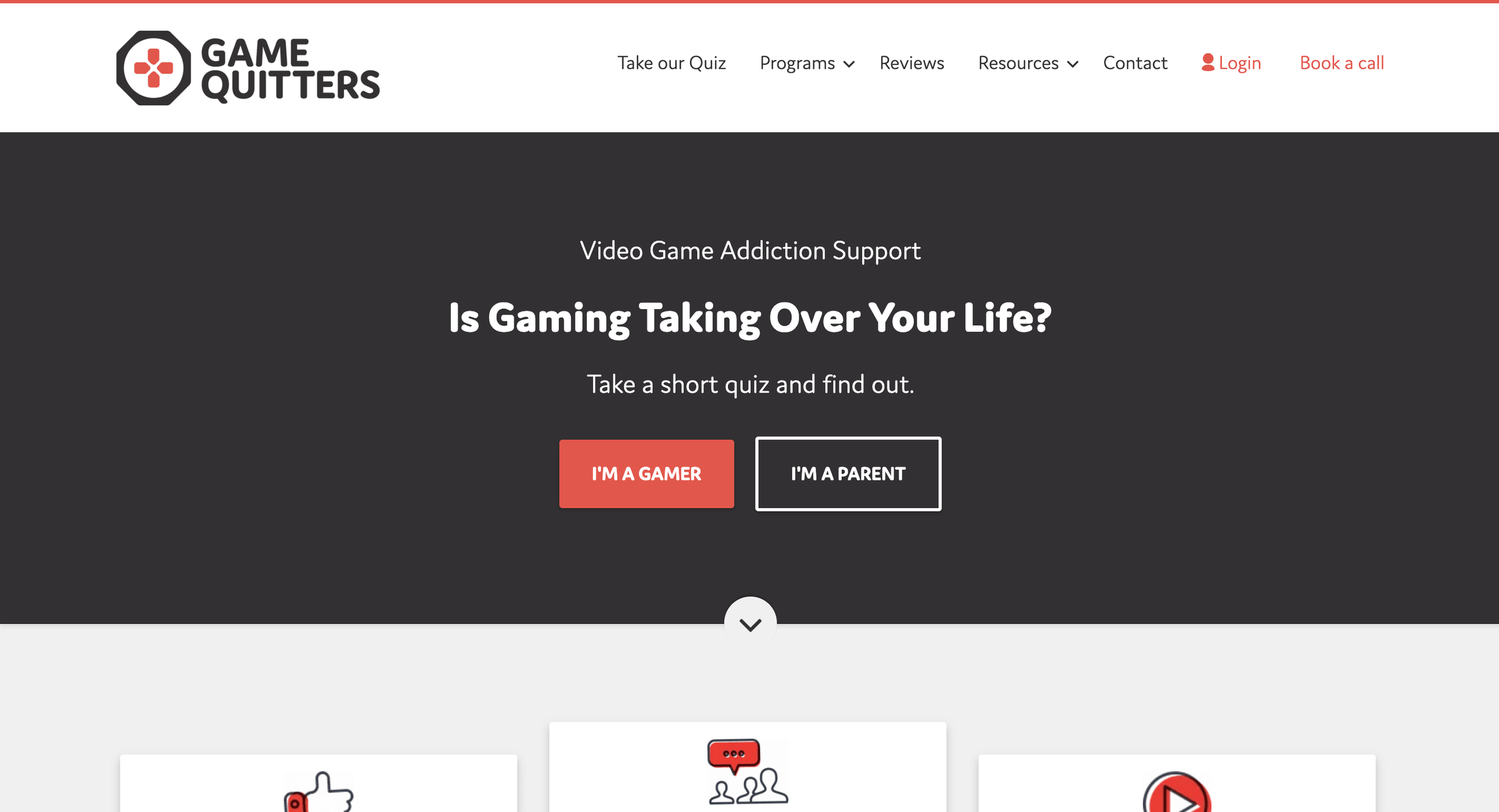
General life coaching can be a tough sell. One way to make it more tangible is to focus on something that stops people from living their best life: addiction. And I don’t necessarily mean drug addiction. In fact, I’d probably steer away from that unless you’re a medical professional or therapist. But there are some other interesting sub-niches I’ve seen work.
For example, my colleague Cam Adair runs a site called Game Quitters where he works with gamers and parents to overcome video game addiction. I’ve even seen coaches who help with porn addiction. If you have personal experience overcoming any specific addiction, there may be other people who want your help quitting.
19. Cultivate More Peace and Ease

I used to consider this niche a tough sell, because it can feel vague and intangible. It also exists in a grey area between therapy and coaching. But if you’re the real deal, and you can help people work with their stress and anxiety, you can make a lot of money.
Spiritual life coaches often help people connect with their intuition, become more mindful, or integrate psychedelic experiences. All of these things are becoming more and more in demand as we experience rapid change and disruption in our day-to-day lives. My client Dane Wright uses a blend of coaching, mindfulness, and spiritual work to support people in this niche.
20. Find Meaning and Purpose in Life
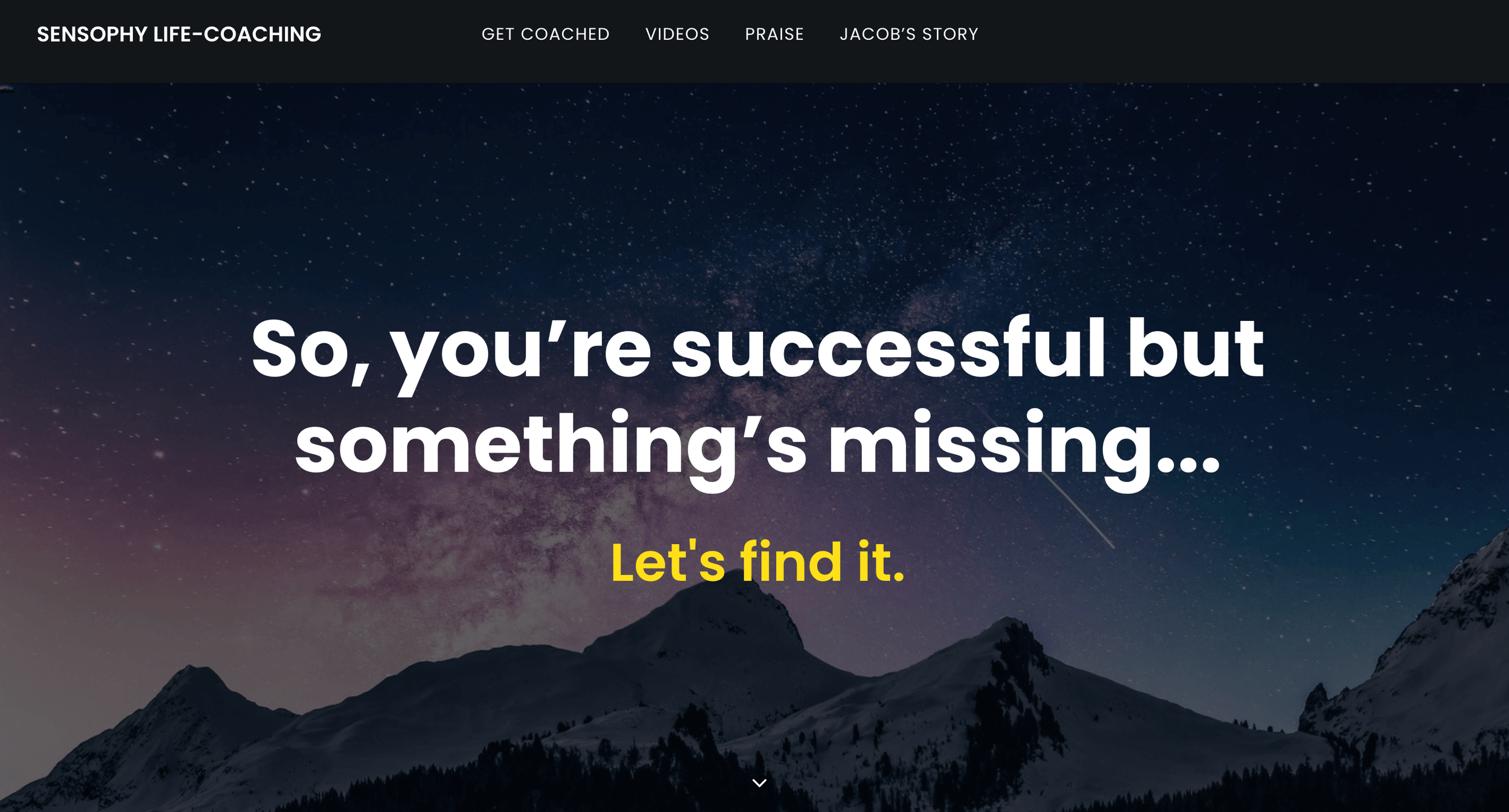
When most people think of “life coaching,” this is usually what they think of. As a result, there’s a lot of competition from other coaches in this niche. In order to stand out, I recommend that you choose a specific target market. For example, you could focus on helping men clarify their life purpose. This will help make your messaging more tangible, instead of just saying you help people “get unstuck.”
You might also consider focusing on a specific area of life to help with. For example, some people who are looking for more purpose in life really just want to find work that they love. If that’s an area you can help with, it might make sense to market yourself as a career coach.
But you don’t have to listen to me. My colleague Jacob Sokol has stayed more general and been quite successful. It’s just a harder road. Keep in mind that some of the people you see in this niche who are more general, including Jacob, started out in the early days, before coaching was so saturated.
🏋🏽♀️ Fitness Coaching Niches
21. Gaining Muscle

We already talked about losing weight in the health coaching section above. The other side of the coin is gaining muscle. While most people want some combination of both, the messaging tends to be a bit different for each. In my experience, you can charge more for weight loss than you can for muscle gain. It tends to be a more painful problem. But you can still make a lot of money with a low or mid-ticket offer combined with a large audience.
For example, RP Strength focuses primarily on helping people gain muscle, and they make money through their training app and coaching. Their marketing is very masculine. There’s a huge jacked guy on the homepage. Yes, they offer nutrition coaching for fat loss. But the focus of their YouTube videos and website is training and lifting weights. Whatever you decide to focus on — gaining weight, losing muscle, or both — you should look the part.
22. Improve Athletic Performance
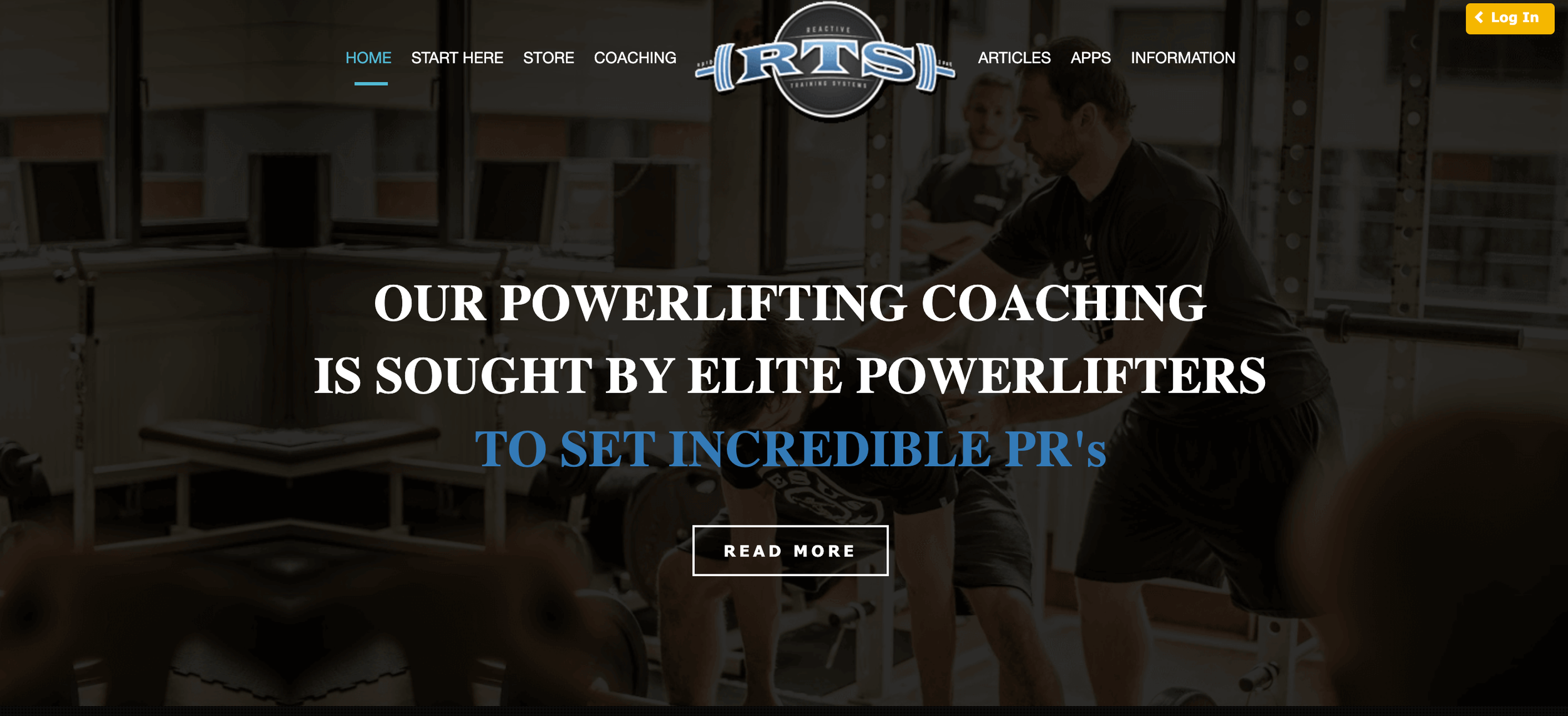
When someone has a specific competition that they want to do well in, they’re very motivated to get help from an expert. This is "coaching" in the most traditional sense of the word and it's not going away any time soon. If you’ve competed at a high level, this is a great niche to consider. You can also incorporate some elements of mindset coaching into this niche.
One way to niche down is to focus on a specific sport that you’re credible in. For example, I hired a coach at Reactive Training Systems to focus on powerlifting. I’ve also supported multiple running coaches with their marketing. If you don’t want to focus in on a specific sport, you can choose a specific modality to help with (e.g. Dr. Kelly Starret with mobility).
🧡 Relationship Coaching Niches
23. Attract A Life Partner

As long as there are single people on the planet, there will be people who want to improve their dating lives and find “the one.” It can get lonely out there! That’s where you come in as a dating coach.
My advice? Start by focusing on men, women, or non-binary folks at first, since each group will require different messaging. Introverted Alpha takes this even further and focuses on introverted men. You can also niche down by specializing in dating apps. The more specific you can be about who or how you coach, the more value you can provide.
24. Improve Your Relationship

If you know how to help couples build more intimacy and connection, this could be a great niche for you. Most people invest in coaching when their relationship is in trouble (unfortunate, but true). A small subset of people will invest to make a good relationship even better. If you can find and help either of these groups, you're in business.
In many cases, you’ll want buy-in from both partners in order to improve the relationship. This can be hard if one partner approaches you for coaching without the other partner expressing interest. Fortunately, there are plenty of relationship coaches out there who have figured this out, like my colleague Ken Blackman, and you can learn from their example.
25. Be a Better Parent
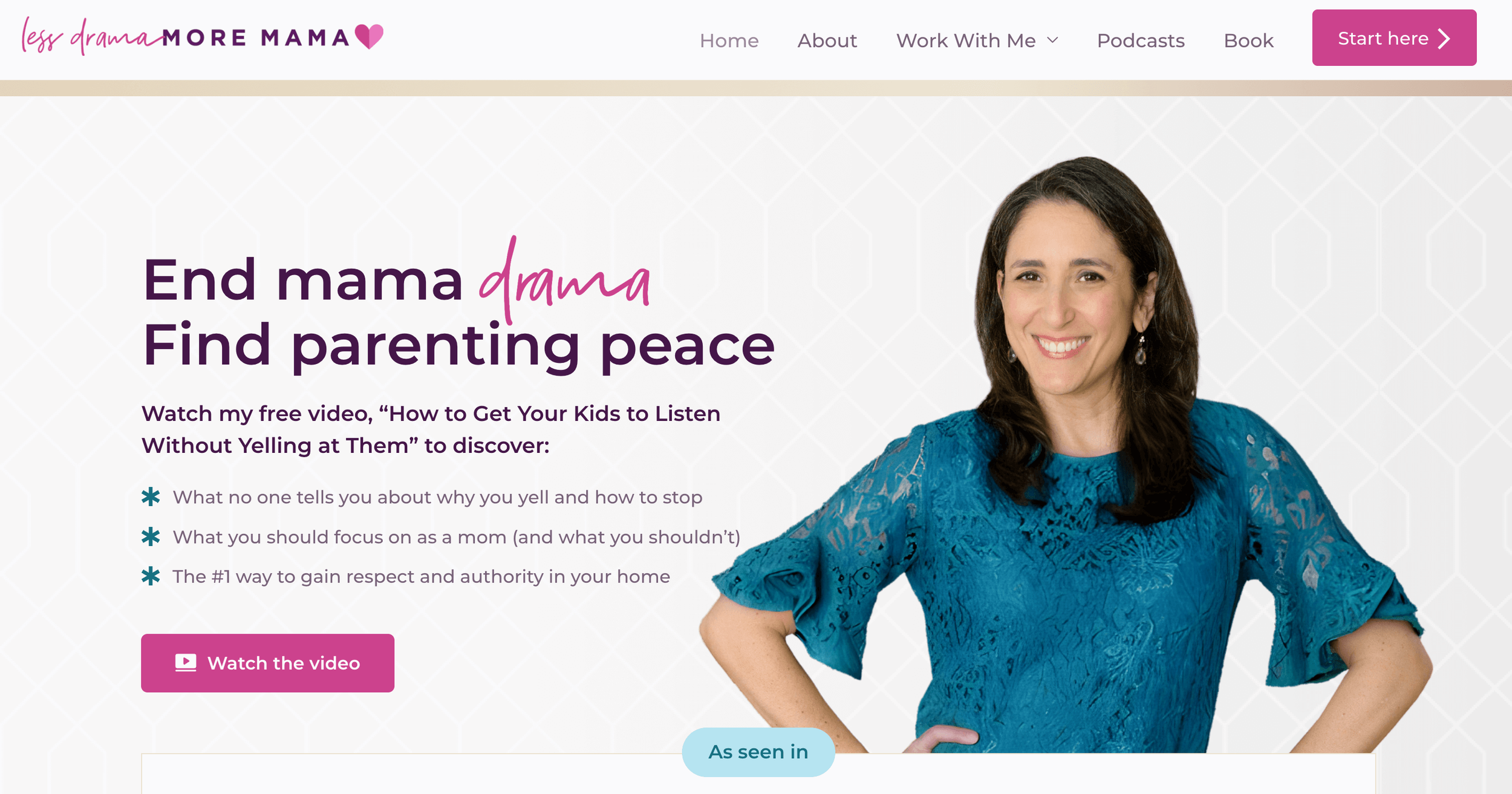
Your kids misbehave. You yell at them. You feel guilty. This is the loop that many parents find themselves in. And if you can help stop this cycle, there is certainly a need for what you do.
I’ll be honest: it’s hard to get people to pay super high fees for a parenting coach. Especially dads (I’ve had a client try this unsuccessfully). My client Pam Howard focuses on moms instead. She also runs group programs that allow her to serve more people while charging less. Dr. Becky of Good Inside uses a similar approach, but with a larger audience and lower price point. She has a paid app for about $28/month that gives you access to workshops and personalized advice.
One way to make this niche more profitable is to get hired by schools and organizations instead of by individuals. My colleague Josh Shipp shares his story in the foster care system as a motivational speaker for teachers. Yes, he offers some affordable products for parents, like books or his $9 guide to rules and consequences, but the real money is made through speaking.
📝 Free Life Coach Niche Quiz
If you’re someone who has lots of passions and areas of expertise, it can be hard to decide which niche to focus on. That’s why I created this 4 question quiz to help you figure out your true niche. Click the button below to get started:
🤷🏼♀️ Frequently Asked Questions
JUMP TO A QUESTION:
“Why Do I Have To Choose A Coaching Niche?”
Confucius once said, “The riches are in the niches.”
Okay, so maybe he didn’t say that. But his coaching business would have been a lot more successful if he had.
In all seriousness, you don’t need to choose a coaching niche right when you start your business. In fact, it might limit you if your only source of clients is your immediate network. But niching becomes more and more helpful to have one as you grow.
Most coaches feel that if they narrow their niche, they’ll be excluding people who might have been willing to pay them. Which means they’ll end up with less money.
On its surface, this seems to make sense. The only problem is...it’s completely wrong.
If you lived in a small village of 20 people, and you were the only life coach there, then yes; you probably wouldn’t want to niche your coaching down. If you could never meet anyone else again, or do any sort of marketing, then sure.
But what about if you want to build an online business? That means you have access to everyone with an internet connection, not just a tiny 20 person village. It also means that you’re competing against almost every other coach in the world.
This changes the calculus on niching. Not only can you afford to get specific, you actually must if you want to stand out. You can do this by focusing on what Seth Godin calls the minimum viable audience.

What I say when a client of mine refuses to niche down.
To illustrate this, let’s pretend that I’m looking for a coach because I’ve fallen out of love with my business and I want to start a different one. But I’m not sure what type of business to start that will be most meaningful to me.
Which type of coach am I most likely to hire?
A generalist life coach who helps people “get unstuck”
A career coach who helps people find work they love
A career coach who specializes in helping successful business owners who feel burnt out with their current work to transition into a new business that fits them better.
The choice is obvious. I’m hiring #3, the specialist. Here’s why:
The specialist is more likely to be found. I’m not typing “how to get unstuck” into Google. I’m searching “what to do when you feel like quitting your business.” Coach #3 is going to be able to create relevant content to match what I’m searching. This is what so many coaches don’t realize when they refuse to niche and then aren’t sure how to find their clients. The lack of a niche makes marketing beyond your existing network nearly impossible. It’s not enough just to say you are in the “personal development niche.”
The specialist is often better at what they do. Why? Because they’re not having to reinvent the wheel with every single unique client they work with. They will have found shortcuts that help me avoid the most common pitfalls that I’m likely to fall into when transitioning to the new business. Of course, if Coach #3 ends up being a terrible coach, I’ll have to go with someone else. But, all things being equal, they have a massive advantage over the other options.
The specialist can charge more. I don’t want a generalist life coach, and I don’t even want a career coach who has limited experience with entrepreneurs. I want the coach who helps people in my situation all day, every day. Coach #3 has far less competition in this narrow niche. If I want the best, I’ll have to pay a premium for it.
Are you starting to see the power of niching now? Cool. Let’s talk about what makes a profitable niche.
“What Makes A Coaching Niche Profitable?”
Your niche is made up of three components:
Who you work with
What problem you solve for them
How you do it
In a perfect world, you would have a unique combination of these three elements, putting you in a category of one with no competition.

Your reaction when people ask how much you charge and you’ve found the perfect niche for you.
In reality, it may to take a few years to get there.
I recommend honing in on these three elements one at a time, starting with #2, the problem you solve. If you can get clear on that component, you’re already ahead of most coaches in terms of your marketing. That’s why the focus of this list is on different problems that clients hire coaches for. You can start there and then hone in on the Who and the How over time.
The reason why I suggest starting with the problem you solve is because that’s what potential clients care most about. If you work with people like me, great. If you have a unique way of doing your work, fine. But at the end of the day, I’m paying you to help me reach a specific goal, and I want to know that you can help me do that.
When you’re considering what problem to focus on, here’s what keep in mind:
The most profitable niches sell “surgery,” not prevention.
By surgery, I mean that the niche solves a painful and urgent problem that already exists for your potential clients. As important as prevention is, people just aren’t as motivated to pay high prices for it. You can spend time fighting this reality or you can just accept it and move on.
For example, say you want to coach soon-to-be moms around self-care. You know that they need to learn self-care now so that they can be the best version of themself when they finally have their baby. The problem with this niche is that self-care is really hard to sell - especially to people who aren’t already prioritizing it. There’s a big difference between you knowing that people need this and them actually paying for it.
What if, instead, you chose to work with current moms who gained a bunch of weight in their pregnancy. Now they’re super stressed with all the responsibility of caring for their kid, plus a demanding job, and they’re having a hard time losing the weight they gained. They've fallen into some unhealthy habits, they’re losing self-confidence with their partner, and they really want to be a healthy model for their kids by getting their weight back under control.
That is selling surgery instead of prevention. And it’s likely to be a much more profitable niche. You can still coach on the thing that you love (self-care), but through the lens of weight loss. If you’ve experienced this problem yourself, or you have some specific expertise to add, even better.
To summarize: The key to nailing your niche is to combine your real-world expertise and experience with your coaching skills. Then apply that combination to an urgent problem that people have. Add a motivated target market to that, or a unique way of doing your work, and you're golden.
“What’s the Best Way to Describe What I Do?”
It’s easy to get caught up on what words to use when you describe your coaching. Should you call yourself a life coach? A peak performance coach? A transformational business alchemist?

That moment when explaining your niche feels like a matter of life and death.
My advice is to focus less on the exact type of coach you are and more on the problem you solve for potential clients.
A simple formula you can use is as follows:
I’m a (insert coaching specialty). I help (insert who you help) to (insert niche problem that you solve).
For example:
I’m a business coach. I help other coaches fill their client rosters.
So, in this case I used the specialty of business coaching and the niche of attracting more clients and customers. You can do the same using whatever specialty and niche you want to focus on in the list above.
If you’re not sure about your target market yet, just say “people.”
“Why Should I Trust You When Choosing A Niche?”
The truth is, you shouldn’t just blindly trust me (or anyone else). The best way to figure out who to trust is by taking the advice in this article and putting it into practice. Then you can see if it works for you.
Having said that, I’ve been coaching for over a decade. I’ve run profitable businesses in three different niches (career, business, and fitness) and my current business generates six figures in profit. The thing that’s made the biggest difference for me and my clients is choosing a niche that they can succeed in.

Every niche on the list above contains an example of a colleague or client of mine that is making a sustainable living from their niche. If it can work for them, it can work for you.
I regularly update this article to reflect the most recent trends in coaching, based on what I’m seeing work with clients and colleagues. This is the guide I wish I had had when I started out and didn’t know which niche I should choose.
“What if I Have Lots of Different Passions?”
Each one of us is multi-faceted, and choosing a niche can feel like you’re pigeon-holing yourself forever. This can make it scary to choose a niche. In fact, it’s one of the four fears that coaches have around niching (here are the other three).
The good news is, you can expand into multiple niches over time. You can create new offerings or business. You can even bring your other passions into your marketing and content without having to monetize it directly.

Actual footage of me trying to fit all my passions into one niche when I started my business.
As long as you’re passionate about coaching, my advice is to focus less on your passions and more on problems you can solve for other people.
All the niches on this list are based on problems that people have already proven willing to pay for. When choosing a niche from the list above, see which ones you have the most expertise in. What do you feel totally confident helping people with? Don’t throw your past work experience out when you decide to become a coach - use it to build your credibility.
The cool thing is, you don’t actually have to niche your entire business and brand. You can just focused on creating super focused, niched offers and promoting them one at a time. Your overall brand will be the result of these niched offers.
If you want help knowing where to focus next, take the niche quiz here:
“What if My Niche Idea Is Not on This List?”
Go for it! This is not an exhaustive list by any means, and there are other ways to make money coaching that aren’t covered here. But remember: you’re taking a risk when you go into a niche without reassurance that people are willing to pay for it. So take the advice above and make sure you’re “selling surgery not prevention.”
When I advise clients, I recommend starting out with one of the profitable niches on the list, and then making it unique by choosing a novel target market or approach. You can even combine multiple niches on this list to form a new one. But if you can’t find anyone making money in the coaching niche you want to enter, that should be a red flag. Proceed at your own risk.

My reaction when someone says they’ll come up with a new niche.
“Can I Build My Website Without Picking A Niche?”
You certainly can, but you’ll likely have to spend time and money re-doing later. An effective coaching website speaks to a specific type of person with a specific type of problem.
The good news is, you don’t need a website to get your first handful of clients. You can use your existing network, including your Facebook account (if you have one), to get your first big batch of clients.
The more enrollment conversations you have, the more you’ll learn which people you’re most excited and qualified to help. And then you can use the market research you’ve done to inform your website copy.
“What Should I Name My Coaching Business?”
The best names are clear first, and clever second. If you have an easy to spell and pronounce name, with the URL available, that’s often the best option because it gives you the flexibility to change niches overtime. Otherwise, it’s great if you can incorporate your niche into your coaching business name.
For more on naming your business, check out this article. The short version is that you want to choose a name that’s 4 words or less, easy to spell, and hard to forget. If you can use elements of your niche and/or target market in your name, that’s ideal.
“What if My Coaching Results Aren’t Tangible?”
There are certain niches that focus almost exclusively on internal shifts, like spiritual life coaching. So you’re welcome to focus on one of those. You can even create a way to quantify those internal shifts by administering a questionnaire that clients fill out before and after the engagement.
Having said that, it’s almost always possible to connect the internal work you do with clients to an external problem or goal that they have. For example, lots of executive coaches work on mindset with their clients (internal). Those clients go on to be better leaders and get more from their teams (external and tangible).

This is how most people react when coaches try to explain what they do for clients. The more tangible your niche, the better.
In my experience, many coaches use vague descriptions like “I help you tap into your power” because deep down they’re scared to claim something more specific and then not deliver. So if you’re feeling some nervousness around choosing a more tangible niche, that may be a sign that you’re on the right path and just need to get some more reps in to build your confidence.
“What if I’m Still Not Sure About My Niche?”
If you’re still not sure about which coaching niche to choose, your next step is to take my free quiz. This 4 question quiz will help narrow down your specialty. I’ll also send you a free email series to help you further narrow down your niche and target market so that you can get to work building your coaching business.
The truth is, clarity doesn’t come from reading an article or even from self-reflection. It comes from taking focused action. Get started by taking the free coaching niche quiz below:
(image credit: giphy)
